Confidentiality note: The examples below have been anonymised, grouped and described using broad age ranges. No individual patient can be identified from this article.
A Week at Whitson Wellness: What Does The Amersham Physio Treat?
Physiotherapy is sometimes associated with sports injuries or post-operative care, but the patients attending an Amersham physio clinic are far more varied.
During a typical week at Whitson Wellness Physiotherapy, I may help a younger athlete after a football injury, a working adult with shoulder pain, somebody returning to sport after ACL reconstruction and an older patient rebuilding mobility after joint surgery.
Some patients want to return to competitive sport. Others want to walk comfortably, manage the stairs or complete a working day without their symptoms taking over.
The treatment should therefore reflect the person—not just the name of the injury.
Here is an anonymised look at the ages, conditions, advice and rehabilitation involved in a recent week at my physiotherapy clinic in Amersham.
Younger athletes: shoulder and ankle injuries
Sporting injuries among teenagers and young adults formed one part of the week.
Rehabilitation after an AC joint injury
One younger footballer was recovering from an acromioclavicular joint injury at the top of the shoulder. The injury occurred after landing directly onto the shoulder during football.
Early management had involved medical assessment and a short period in a sling. By the physiotherapy stage, the priorities were restoring comfortable shoulder movement, checking stability and gradually rebuilding strength.
The rehabilitation plan included:
- Progressive shoulder movement
- Controlled pressing exercises
- Rotator-cuff strengthening
- Weight-transfer exercises
- Gradual progression towards press-ups
- Planning a safe return to football contact
Being able to lift the arm normally is encouraging, but it does not automatically mean the shoulder is ready for tackling, falling or forceful upper-body contact. Return-to-sport rehabilitation needs to reflect those demands.
Ankle rehabilitation for martial arts and field sports
I also reviewed a younger athlete recovering from an ankle ligament injury.
Assessment included ankle mobility, calf function, balance and strength around the ankle. A knee-to-wall test helped measure how comfortably the ankle could move forwards over the foot.
Treatment progressed beyond basic balance work and included:
- Calf strengthening
- Ankle inversion and eversion resistance
- Single-leg control
- Landing drills
- Hopping and plyometric exercises
- Gradual exposure to sport-specific movement
The aim was not simply to make the ankle feel less painful. It was to restore sufficient mobility, strength and confidence for the speed and direction changes required in sport.
Working adults: shoulder pain from training and physical work
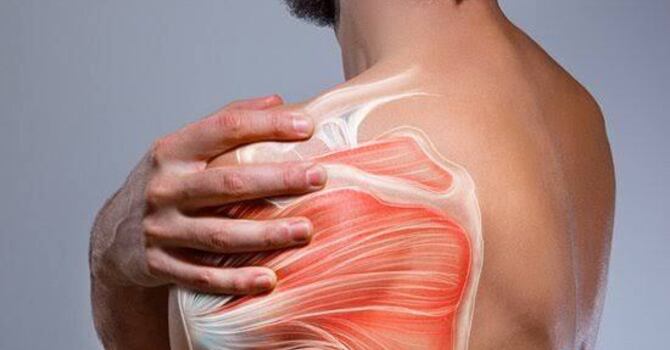
Another patient was experiencing shoulder pain during gym training, occupational lifting and sleeping on the affected side.
Examination found good overall movement, but pain was reproduced during resisted shoulder testing and specific overhead positions. The presentation was consistent with rotator-cuff-related shoulder pain and overload.
Advice included temporarily adjusting provocative gym exercises rather than abandoning all upper-body training. Rehabilitation focused on:
- A more structured shoulder warm-up
- Rotator-cuff strengthening
- Gradual loading in different arm positions
- Modifying pressing and overhead exercises
- Reviewing repetitive lifting at work
- Progressing back towards normal gym training
Complete rest may settle symptoms temporarily, but it does not prepare a shoulder for repeated lifting. The more useful approach is often to find a tolerable starting point and progressively rebuild capacity.
At Whitson Wellness, objective strength testing can also be used where appropriate. Comparing sides helps identify meaningful deficits and provides measurable targets during shoulder rehabilitation.
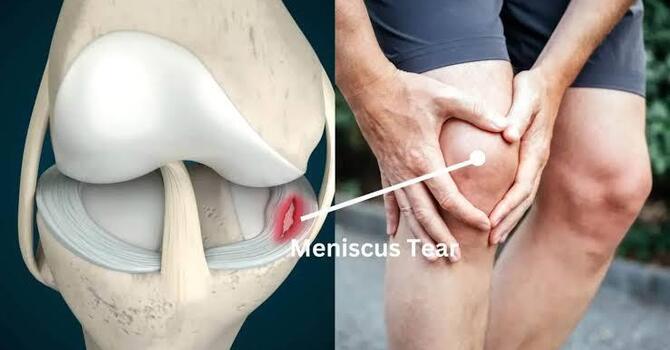
Knee rehabilitation after ACL surgery
Post-operative knee rehabilitation was another major theme.
One active patient was approximately two months into recovery after ACL reconstruction and had been cleared by the consultant to continue progressing.
The session included:
- Stationary cycling
- Resistance-band side steps
- Loaded wall sits
- Step-ups and controlled step-downs
- Isometric knee-extension work
- Monitoring pain, swelling and fatigue
At this stage, rehabilitation is about considerably more than restoring knee movement. Quadriceps strength, hip strength, balance and confidence all need attention.
Later phases may introduce running, jumping, landing and change-of-direction exercises, but these should be based on recovery and objective progress rather than time alone.
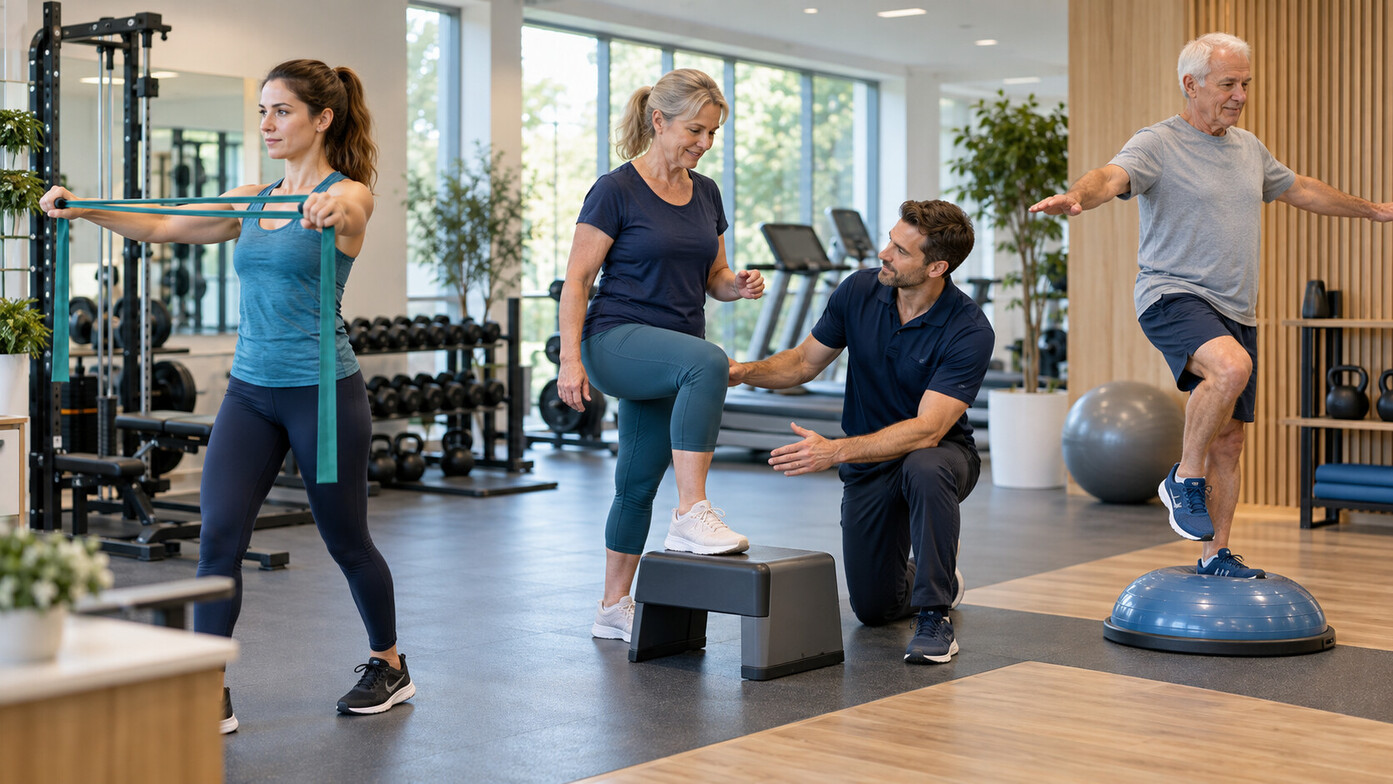
Whitson Wellness has access to the rehabilitation facilities at The Fit Club in Amersham, allowing treatment to progress from early clinical exercises into meaningful gym-based strength and return-to-sport work.
Adults returning after knee surgery
Not every post-operative patient wants to return to competitive sport.
This week also included rehabilitation following knee surgery for an adult whose priorities involved walking, stairs and everyday independence.
Assessment considered:
- Knee movement
- Swelling
- Quadriceps and hamstring strength
- Walking confidence
- Sit-to-stand ability
- Stair function
- Differences between the operated and non-operated legs
The programme was matched to the stage of recovery and progressed according to the patient’s response.
For some people, a successful outcome means returning to football or running. For others, it means getting out of a chair easily, walking around Amersham or using the stairs without hesitation. Both require an individual rehabilitation plan.
Back pain and sciatica assessments
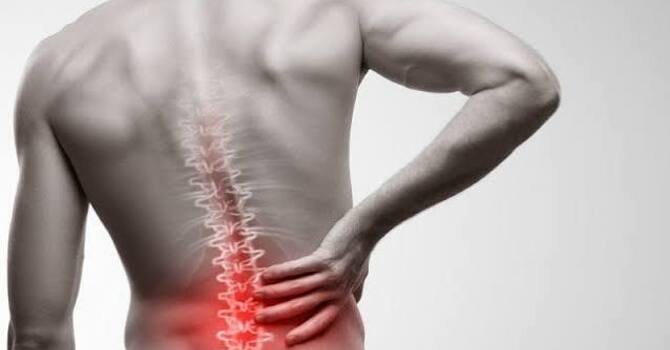
Several patients attended with lower-back, buttock or leg symptoms.
Back pain can vary substantially. One person may have a recent flare after lifting, while another has persistent symptoms influenced by sitting, walking or a previous spinal condition.
A physiotherapy assessment may include:
- Reviewing the pattern of back and leg symptoms
- Checking spinal movement
- Screening strength, reflexes and sensation when indicated
- Discussing work and daily demands
- Identifying recent changes in activity
- Screening for symptoms requiring medical referral
- Developing an appropriate movement and strengthening plan
NICE recommends advice that is tailored to the person’s needs and capabilities, including encouragement to continue normal activities where appropriate. Manual therapy may be considered, but only as part of a package that includes exercise. NICE
This reflects my approach at Whitson Wellness. Hands-on treatment may sometimes help symptoms, but the longer-term plan usually involves movement, education and progressively rebuilding capacity.
Active adults: an MSK health check
Some patients attend before a problem becomes a significant injury.
One active adult involved in strength training booked a musculoskeletal review because of several smaller concerns involving the shoulder, hip and knee.
The purpose was to assess the symptoms, check strength and movement, identify anything requiring referral and make sensible adjustments to training.
Advice included:
- Modifying squat depth or training load
- Avoiding simultaneous increases in load and volume
- Adding hip and shoulder preparation exercises
- Monitoring joint response after training
- Seeking imaging or specialist review only if clinically indicated
A physiotherapy assessment does not need to result in being told to stop exercising. Often, the most helpful outcome is a clearer understanding of what can continue, what should temporarily change and how to progress.
Physiotherapy is not defined by age
The week’s patients ranged from younger athletes to older adults. Their goals included football, martial arts, hockey, gym training, work, walking and post-operative independence.
Although the diagnoses differed, several principles remained consistent:
- Start with a detailed history and physical assessment
- Consider the patient’s wider health and goals
- Explain the likely problem in understandable language
- Modify activity without creating unnecessary fear
- Use objective testing when it adds value
- Provide a personalised rehabilitation programme
- Progress treatment towards real-life demands
- Refer for medical assessment when the presentation requires it
The Whitson Wellness service includes general physiotherapy, sports-injury rehabilitation, post-operative care, home visits, shockwave therapy and AI-assisted running gait analysis. The clinic’s running service combines clinical examination with gait information rather than relying solely on software findings. whitsonwellness.com
Looking for a physio in Amersham?
Whitson Wellness Physiotherapy provides private one-to-one appointments for people in Amersham, Old Amersham, Chesham Bois, Little Chalfont, Chalfont St Giles, Chalfont St Peter and surrounding Buckinghamshire villages.
Appointments take place in a private treatment room, with access to the wider rehabilitation facilities at The Fit Club. Treatment is provided by Matt Whitson, an experienced Chartered Physiotherapist with a background in professional sport, NHS musculoskeletal care and private practice.
Whether your goal is returning to sport, recovering after surgery or simply moving more comfortably, your assessment and rehabilitation will be planned around what matters to you.
Book a physiotherapy appointment with Matt in Amersham
Move well. Live well.
FAQs
What injuries does an Amersham physiotherapist treat?
Whitson Wellness treats back and neck pain, shoulder problems, hip and knee conditions, ankle injuries, running injuries, tendinopathy and post-operative rehabilitation.
Is physiotherapy only for sports injuries?
No. Physiotherapy also supports people with everyday joint pain, work-related symptoms, reduced mobility and recovery after surgery.
Can you provide gym-based rehabilitation?
Yes. The clinic is based at The Fit Club in Amersham, allowing rehabilitation to progress into appropriate strength, conditioning and return-to-sport exercises.
Do I need a GP referral?
Self-funding patients can normally book directly without a GP referral. Insurance patients should check their provider’s authorisation requirements.
Do you treat older patients?
Yes. Treatment can focus on strength, balance, walking, joint pain, post-operative recovery and maintaining independence. Home visits are also available where appropriate.
Where is Whitson Wellness Physiotherapy?
The clinic is located within The Fit Club at 16–18 Woodside Road, Amersham, Buckinghamshire.

Matthew Whitson
Contact Me