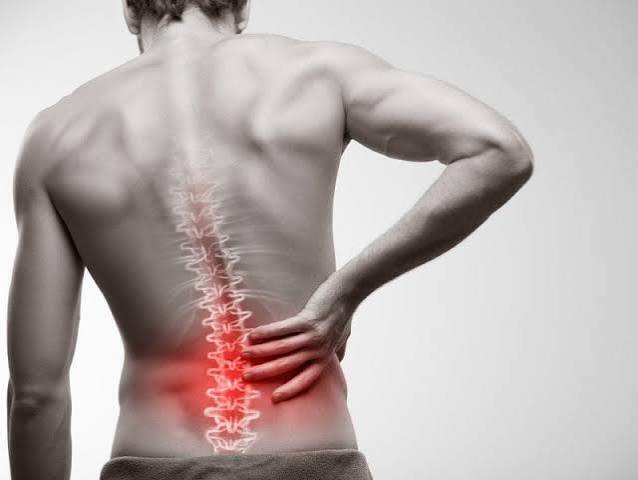
Lower back pain can make ordinary activities surprisingly difficult. Sitting at your desk, getting out of the car, lifting, gardening or completing a gym session may suddenly feel uncomfortable or restricted.
For some people, symptoms begin after an awkward movement or a busy day. For others, there is no obvious cause. The pain may remain around the lower back or be accompanied by symptoms travelling into the buttock or leg.
Fortunately, most episodes of lower back pain are not caused by a serious condition. The NHS advises that back pain commonly improves within a few weeks, although it can persist or return. An appropriate physiotherapy assessment can help identify what may be contributing, rule out warning signs and create a practical plan for returning to normal activity.
At Whitson Wellness Physiotherapy in Amersham, back pain rehabilitation is personalised around what you need to do—not simply the movements performed on the treatment couch.
What causes lower back pain?
Lower back pain can have several causes, and it is not always possible or necessary to identify one damaged structure.
Common presentations include:
- A recent muscle or joint strain
- Pain following an increase in lifting or physical activity
- Symptoms aggravated by prolonged sitting
- Reduced tolerance to bending or repeated movement
- Back pain after returning to the gym or sport
- Leg pain associated with irritation of a nerve
- Persistent back pain influenced by reduced activity, sleep or stress
- Pain following a period of illness or inactivity
Terms such as “disc degeneration”, “wear and tear” and “trapped nerve” can sound alarming. However, symptoms, examination findings and scan results do not always match neatly. Changes seen on spinal imaging are also common in people without pain.
A useful assessment considers the whole clinical picture rather than relying on one test or scan finding.
When should you see a physiotherapist about back pain?
It may be helpful to arrange a physiotherapy assessment when:
- Pain is not beginning to settle
- Symptoms keep returning
- Back pain is affecting work, sleep or daily activities
- You are avoiding movement because you are worried about causing damage
- You have pain travelling into the buttock or leg
- You are unsure which exercises are appropriate
- You want to return safely to lifting, running, golf or the gym
- Previous short-term treatment has not produced lasting progress
You do not need to wait until the pain becomes severe. Early advice can help you understand which activities are appropriate and prevent unnecessary loss of strength and confidence.
Physiotherapy is not about promising an instant cure. It is about understanding the presentation, reducing barriers to recovery and gradually rebuilding your ability to manage the activities that matter to you.
Should you rest when your back hurts?
Short periods of relative rest may be understandable when pain is particularly irritable, but prolonged bed rest is generally discouraged.
The NHS recommends staying active and continuing normal daily activities where possible. This does not mean forcing yourself through severe pain. It means finding a manageable level of movement instead of waiting for all discomfort to disappear before doing anything.
Depending on your symptoms, this might include:
- Taking short, regular walks
- Changing position throughout the working day
- Temporarily reducing heavy or repetitive lifting
- Continuing comfortable household activities
- Using lighter loads or a smaller range in the gym
- Breaking demanding tasks into shorter periods
- Gradually increasing activity as symptoms settle
Some discomfort during recovery does not automatically mean that harm is occurring. Your response during the activity, afterwards and the following day can help determine whether the current level is appropriate.
What happens during a back pain physiotherapy assessment?
Your first appointment at Whitson Wellness begins with a detailed discussion about your symptoms and health.
This may cover:
- How and when the pain began
- Which movements or positions affect it
- Whether symptoms travel into the leg
- Your work and daily responsibilities
- Exercise, sporting and gym goals
- Previous episodes or treatment
- Relevant medical history
- Sleep and recovery
- Your concerns about the problem
The physical assessment may examine spinal and hip movement, strength, sensation, reflexes, balance or tolerance to specific activities. Not every person requires every test.
If lifting, gym training or sport is important to you, the assessment can also consider how you perform relevant movements. The purpose is not to impose one supposedly perfect posture. It is to identify practical options that help you move with greater comfort and confidence.
What does treatment involve?
Treatment depends on the assessment rather than following an identical back-pain routine for everyone.
Personalised exercise and rehabilitation
Exercise is an important treatment option for persistent lower back pain. A large Cochrane review found that exercise probably reduces pain compared with no treatment, usual care or placebo in people with chronic non-specific lower back pain.
There is no single best exercise for every back. A personalised programme might include:
- Comfortable spinal movement
- Hip and lower-limb strengthening
- Trunk strengthening
- General resistance training
- Walking or cardiovascular exercise
- Gradual exposure to bending and lifting
- Work-specific conditioning
- Gym or sport-specific rehabilitation
Exercises are progressed according to your starting point, response and goals. Someone aiming to walk comfortably around Amersham needs a different end-stage plan from someone returning to heavy lifting, competitive sport or long-distance running.
Education and activity planning
Understanding back pain can reduce uncertainty and help you make sensible activity decisions.
Treatment may include advice about pacing, desk-based work, lifting, sleep, flare-ups and returning to exercise. The aim is to provide a plan you can use outside the clinic rather than making you dependent on repeated treatment.
Hands-on treatment
Manual therapy may sometimes be used to help reduce symptoms or improve movement. However, current NICE guidance recommends using manual therapy only as part of a treatment package that includes exercise.
Hands-on treatment is therefore treated as a potential support to active rehabilitation, not a replacement for rebuilding movement, strength and confidence.
Do you need an MRI scan?
Most people with straightforward lower back pain do not require an immediate MRI or X-ray.
NICE advises against routinely offering imaging in a non-specialist setting unless the result is likely to change management. A scan may be appropriate when the clinical presentation suggests a specific condition, significant trauma or progressive neurological involvement, or when specialist management is being considered.
A physiotherapy assessment can help determine whether conservative rehabilitation is appropriate or whether medical review is advisable.
When is back pain an emergency?
Although serious causes are uncommon, certain symptoms need urgent medical attention.
Call 999 or attend A&E if back pain is accompanied by:
- New loss of feeling around the genitals, anus or inner thighs
- New difficulty starting or controlling urination
- Loss of bladder or bowel control
- Pain, weakness, tingling or numbness affecting both legs
- Changes in sexual sensation or function
- Symptoms beginning after a serious accident
- Chest pain
Seek urgent advice from NHS 111 or an urgent GP appointment if the pain is severe and began suddenly, is worsening quickly, or you feel feverish, shivery or generally unwell.
These symptoms should not be managed through a routine physiotherapy booking.
Back pain physiotherapy in Amersham
Whitson Wellness provides private physiotherapy from The Fit Club, 16 Woodside Road, Amersham. The clinic is convenient for people living or working in Amersham, Old Amersham, Chesham Bois, Little Chalfont, Chalfont St Giles and nearby Buckinghamshire.
Appointments are provided by Matt Whitson, an experienced Chartered Physiotherapist. Access to gym facilities allows rehabilitation to progress beyond basic exercises when your work, lifting or sporting goals demand more.
If lower back pain is affecting your daily life, exercise or confidence, book a physiotherapy assessment with Matt in Amersham.
Move well. Live well.
FAQs
Can physiotherapy help lower back pain?
Physiotherapy can help assess the likely presentation, identify warning signs and provide individual advice, exercise and progressive rehabilitation. Results vary depending on the condition and individual circumstances.
Should I exercise with lower back pain?
Remaining active is generally encouraged, but the type and intensity of exercise may need adapting. Severe, rapidly worsening or neurologically concerning symptoms require medical assessment.
Is walking good for lower back pain?
Walking is a practical way to remain active and may be helpful when performed at a tolerable level. Begin with a manageable duration and build gradually.
Do I need a scan before seeing a physiotherapist?
Usually not. Imaging is not routinely required for uncomplicated lower back pain. A physiotherapist can assess whether medical review or imaging may be appropriate.
Can physiotherapy help sciatica?
Physiotherapy may help some people with sciatica through assessment, advice, activity modification and exercise. Progressive weakness, symptoms in both legs or bladder, bowel or saddle-sensation changes require urgent medical attention.

Matthew Whitson
Contact Me