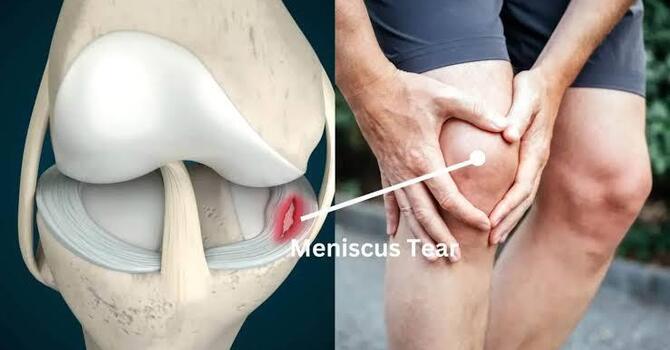
Knee pain is one of the most common problems experienced by runners. It may begin as a mild ache during a longer run, discomfort on the hills around Amersham or pain around the kneecap after training.
At Whitson Wellness Physiotherapy in Amersham, I regularly assess runners experiencing knee pain when preparing for anything from their first 5K to a half marathon, marathon or return to club sport.
“Runner’s knee” is commonly used to describe pain around or behind the kneecap. However, it is not a precise diagnosis. Knee pain can have several causes, so an effective assessment should consider your symptoms, strength, training load and running movement rather than focusing on one area in isolation.
Alongside a clinical physiotherapy assessment, I can use Ochy—an AI-powered running gait analysis tool—to assess running technique and highlight movement patterns that may be relevant to your symptoms and rehabilitation.
Why has my knee started hurting when running?
Running-related knee pain frequently appears when training demands increase faster than the body can adapt.
This does not mean that running is inherently damaging to your knees. Research has not found recreational running to be associated with a higher prevalence of knee osteoarthritis than being a non-runner. More commonly, symptoms follow a change in training load or a mismatch between the demands of running and the runner’s current physical capacity.
Potential contributors include:
- Increasing weekly mileage too quickly
- Adding speed sessions or intervals
- Introducing more hills or downhill running
- Returning to running after a break
- Preparing for an event without enough recovery
- Reduced quadriceps, hip or calf capacity
- Combining increased mileage with demanding gym or sports sessions
- Running movement patterns that increase load around the knee
The hilly routes around Amersham, Chesham, the Chalfonts and nearby Buckinghamshire can create very different demands from flat running. Downhill running, in particular, can be challenging when the front of the knee is already sensitive.
Can running gait contribute to knee pain?
Running gait is one possible contributor, but there is no single “perfect” way to run.
Factors such as cadence, stride length, hip and knee position, trunk movement and foot contact can influence how load is distributed. However, a movement pattern that is comfortable for one runner may not suit another.
Research suggests that selected gait modifications—such as a modest increase in step rate or learning to run more softly—can reduce pain for some runners with patellofemoral pain. They do not help everyone, which is why gait changes should be tested rather than prescribed automatically.
Changing technique without considering strength, training load and symptoms may simply move the demand from one area to another. Running gait analysis is therefore most useful when combined with a complete physiotherapy assessment.
AI running gait analysis with Ochy in Amersham
At Whitson Wellness, I use Ochy AI running gait analysis to support the assessment of runners.
Ochy analyses video of your running and produces a detailed report covering key aspects of running movement. This can help identify patterns that may warrant further clinical assessment or guide the areas we monitor during rehabilitation.
Depending on the individual runner, the assessment may consider:
- Running cadence
- Trunk and pelvic movement
- Hip and knee control
- Stride characteristics
- Foot-contact pattern
- Differences between the right and left sides
- How movement changes with speed or fatigue
The AI report is not treated as a diagnosis and is not used in isolation. I interpret its findings alongside your symptoms, training history, physical assessment and running goals.
For example, a runner may demonstrate a particular knee position on video, but this does not automatically mean that the movement is “wrong” or causing pain. It becomes clinically useful when it relates to the runner’s symptoms, physical capacity or response to a carefully tested modification.
What happens during a running assessment?
A running-related knee assessment at Whitson Wellness in Amersham may include:
-
Understanding your symptoms
We discuss where the pain is located, when it appears and how it responds during and after running.
-
Reviewing your training
This includes recent mileage, frequency, pace, hills, races, strength training, recovery and any sudden changes.
-
Physical assessment
I assess relevant knee and hip movement, quadriceps and calf capacity, single-leg control and functional tasks.
-
Running gait analysis
Where appropriate, treadmill video and the Ochy AI analysis are used to examine your running movement.
-
Testing useful modifications
A small change in cadence, stride or running cue may be tested to see whether it improves symptoms. Changes are only recommended when they are relevant and beneficial.
-
Building your rehabilitation plan
Your plan may include targeted strength work, running modification and a progressive return to your normal distance and pace.
Physiotherapy for runners in Amersham
Whitson Wellness provides individual physiotherapy and running rehabilitation at The Fit Club, 16 Woodside Road, Amersham.
The clinic serves runners from Amersham, Chesham, Little Chalfont, Chalfont St Giles, Chalfont St Peter, Prestwood, Great Missenden and surrounding Buckinghamshire villages.
Access to the gym and treadmill allows rehabilitation to progress from early pain management through to:
- Progressive quadriceps, hip and calf strengthening
- Single-leg control
- Plyometric and hopping exercises
- Running-gait assessment
- Ochy AI movement analysis
- Return-to-running programming
- Preparation for races and sporting demands
The objective is not simply to make the knee feel better during everyday activities. Rehabilitation should restore the strength, capacity and confidence required for the type of running you want to return to.
Runner’s knee does not necessarily mean that running is damaging your joint. Patellofemoral pain often reflects a mismatch between your current training demands and the capacity of your knee and lower limb.
Reducing aggravating load can help settle symptoms, but a complete recovery plan should also rebuild strength and gradually prepare the knee for running.
For selected runners, Ochy AI running gait analysis can provide additional information about cadence, stride and lower-limb movement. These findings can then be interpreted alongside your clinical assessment to create a more individual rehabilitation plan.
If knee pain is limiting your running, book an assessment with Matt at Whitson Wellness Physiotherapy in Amersham.
Book physiotherapy or a running gait assessment
Move well. Live well.
Additional FAQ
What is Ochy AI running gait analysis?
Ochy is an AI-powered video-analysis tool that assesses different aspects of running movement. At Whitson Wellness, its findings are combined with a physiotherapy assessment rather than used as a standalone diagnosis.
Where can I book a running gait analysis in Amersham?
Whitson Wellness provides running gait assessments at The Fit Club, 16 Woodside Road, Amersham. Assessments can include treadmill video, Ochy AI analysis and an individual plan based on your symptoms and goals.
Can running gait analysis identify the cause of knee pain?
It can identify movement patterns that may be relevant, but gait analysis alone cannot establish the cause of pain. Training load, strength, symptoms and clinical findings must also be considered.
Matthew Whitson
Contact Me