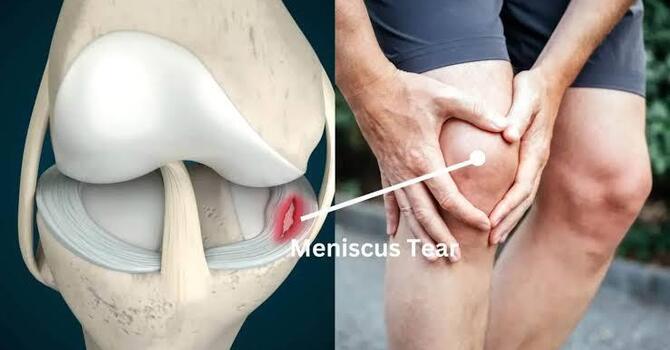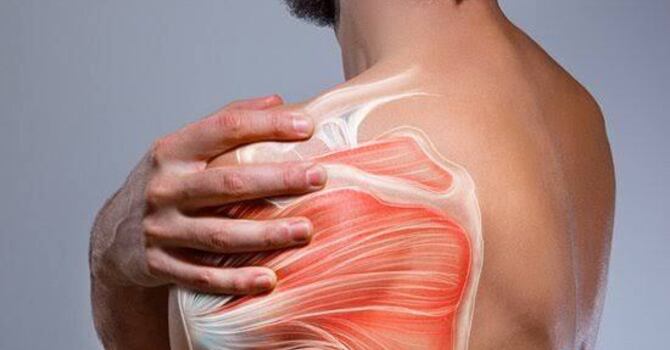
Persistent tendon pain can be frustrating, particularly when rest, stretching or previous treatment has not produced lasting progress.
At Whitson Wellness Physiotherapy in Amersham, I provide radial extracorporeal shockwave therapy—usually shortened to radial shockwave therapy or r-ESWT—for selected tendon and soft-tissue conditions.
All treatment is personally provided by me, Matt Whitson, an experienced Chartered Physiotherapist specialising in musculoskeletal and sports rehabilitation.
Shockwave therapy is not delivered as a standalone procedure. Every patient receives an appropriate assessment and a personalised rehabilitation programme based on their condition, current ability and individual goals.
Shockwave therapy prices in Amersham
My aim is to provide high-quality, competitively priced shockwave therapy in Amersham:
- Individual shockwave session: £85
- Package of four sessions: £300
- Saving with the four-session package: £40
- Assessment, clinical guidance and personalised rehabilitation included
The four-session package reduces the average cost to £75 per appointment.
Rather than simply treating the painful area with a machine, your appointments consider the wider factors that may be contributing to the problem. This can include strength, mobility, training load, work demands and the activities you want to return to.
What is shockwave therapy?
Shockwave therapy is a non-invasive treatment that delivers acoustic pressure waves through the skin to the targeted tissue.
Despite its name, it does not involve an electrical shock. A handheld applicator is positioned over the affected tendon or soft tissue and delivers a controlled series of mechanical pulses.
Shockwave therapy is normally considered for persistent musculoskeletal conditions rather than new, acute injuries. It may influence pain sensitivity and local biological processes, helping create an opportunity to progress exercise and rehabilitation.
It should not be viewed as a quick fix or guaranteed cure. Evidence varies between conditions, and shockwave is usually most appropriate when combined with progressive rehabilitation.
Which conditions may be treated with shockwave therapy?
Following an individual assessment, shockwave therapy may be considered for conditions including:
- Achilles tendinopathy
- Plantar fasciitis or persistent plantar heel pain
- Patellar tendinopathy
- Gluteal tendinopathy
- Proximal hamstring tendinopathy
- Tennis elbow
- Golfer’s elbow
- Selected rotator-cuff conditions
- Calcific shoulder tendinopathy
Not every painful tendon requires shockwave treatment. Some conditions respond well to appropriate load modification and strengthening alone.
The initial assessment helps determine whether shockwave is suitable, whether other treatment options should be considered or whether further investigation is needed.
Shockwave therapy for Achilles tendinopathy
Achilles tendinopathy commonly causes pain and stiffness at the back of the ankle. Symptoms may be particularly noticeable during the first few steps in the morning, when walking uphill or after running.
Some people find that their Achilles initially feels better once it has warmed up, only for pain and stiffness to return later that day or the following morning.
Shockwave therapy may be considered when symptoms have persisted despite appropriate rehabilitation. However, the location of the pain is important. Midportion Achilles pain and insertional pain at the heel can require different exercise and loading strategies.
Current clinical guidance identifies progressive tendon loading as a central part of Achilles rehabilitation. Shockwave may support this process, but it does not replace the need to rebuild calf strength, endurance and tolerance to walking, running or sport.
Shockwave therapy for plantar fasciitis
Plantar fasciitis—also known as plantar heel pain—typically causes discomfort underneath the heel. It is often most noticeable during the first few steps after getting out of bed or standing after sitting for a while.
Treatment may include:
- Assessment of the foot and ankle
- Calf and foot strengthening
- Advice about footwear
- Activity modification
- Progressive loading
- Shockwave therapy when clinically appropriate
The right approach depends on how long symptoms have been present, what aggravates them and how they affect walking, work or exercise.
At Whitson Wellness, shockwave therapy is combined with a personalised plan designed to improve the capacity of the foot and lower limb—not simply reduce pain temporarily.
Why is personalised rehabilitation important?
Tendons respond to progressive load. Rest may temporarily reduce symptoms, but it does not necessarily rebuild the physical capacity required for work, walking, running or sport.
Every patient at Whitson Wellness receives a personalised rehabilitation programme alongside shockwave therapy. This is tailored to:
- The specific tendon or area being treated
- How irritable the condition currently is
- Your strength and mobility
- Your work and everyday demands
- Your training history
- The activity or sport you want to resume
- Your response to treatment
Depending on the condition and stage of recovery, rehabilitation may include:
- Isometric exercises
- Progressive tendon loading
- Heavy, controlled strengthening
- Calf, quadriceps or hip strengthening
- Mobility work
- Running or activity modification
- Plyometric rehabilitation
- A gradual return to sport or exercise
Your programme can then be reviewed and progressed as symptoms, strength and function improve.
This combination of shockwave therapy and individual physiotherapy rehabilitation is an important difference between receiving care from an experienced physiotherapist and simply booking access to a shockwave machine.
What happens during a shockwave appointment?
Your first appointment includes an assessment to establish the likely diagnosis and determine whether shockwave therapy is appropriate.
Your appointment may involve:
- Discussing your symptoms and medical history.
- Reviewing how the problem affects walking, work, exercise or sport.
- Assessing relevant movement, strength and loading tolerance.
- Screening for precautions and contraindications.
- Explaining the potential benefits, limitations and side effects.
- Applying shockwave therapy when appropriate.
- Creating or progressing your personalised rehabilitation programme.
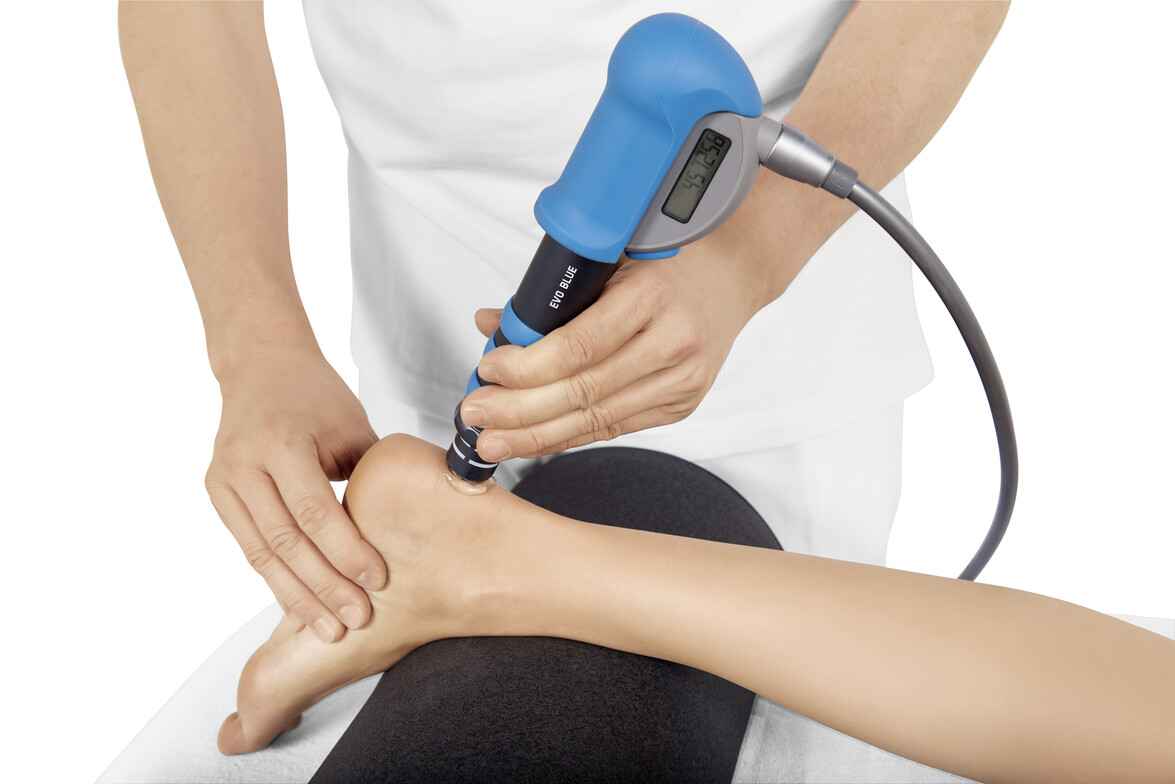
During treatment, gel is placed on the skin and a handheld applicator delivers pressure waves to the targeted area.
The treatment can feel uncomfortable, particularly over a sensitive tendon, but the intensity can be adjusted according to the tissue being treated and your tolerance. The shockwave component of the appointment usually takes several minutes.
How many shockwave sessions will I need?
A course of shockwave therapy frequently involves several appointments, often spaced approximately one week apart. The appropriate number depends on the condition, how long it has been present and how you respond.
Whitson Wellness offers:
- Pay-as-you-go shockwave therapy at £85 per appointment
- A package of four appointments for £300
The package may be appropriate when your assessment indicates that a structured course is suitable.
Progress is reviewed throughout treatment. This includes changes in pain, strength, everyday function and your ability to perform the activities that matter to you.
Purchasing a package does not guarantee a particular outcome, and shockwave will remain part of a broader rehabilitation process.
Does shockwave therapy work?
Research suggests that shockwave therapy may help some people with persistent tendon and plantar-heel problems, particularly when used alongside appropriate rehabilitation.
However, results vary between individuals and conditions.
For Achilles tendinopathy, the National Institute for Health and Care Excellence states that the procedure raises no major safety concerns, although evidence regarding effectiveness has been inconsistent. This means appropriate patient selection, consent and monitoring are important.
Before proceeding, I will explain whether shockwave is a reasonable option for your presentation and discuss alternatives where appropriate.
If symptoms suggest a significant tendon tear, another diagnosis or the need for imaging or consultant input, shockwave may be postponed pending further assessment.
Are there side effects?
Common short-term effects can include:
- Temporary soreness
- Redness
- Mild swelling
- Bruising
- Temporary tingling or altered sensation
These effects are generally short-lived. You will receive advice about activity and rehabilitation following treatment.
Shockwave therapy is unsuitable in some circumstances, including certain blood-clotting problems, infections and pregnancy when treating around the relevant region. Precautions and contraindications are reviewed before treatment begins.
Why choose Whitson Wellness for shockwave therapy in Amersham?
At Whitson Wellness, your shockwave treatment is:
- Personally provided by Matt Whitson
- Delivered by an experienced Chartered Physiotherapist
- Based on an individual clinical assessment
- Combined with personalised rehabilitation
- Progressed according to your response
- Connected to gym-based rehabilitation when appropriate
- Designed around your work, running or sporting goals
- Competitively priced at £85 individually or £300 for four appointments
The clinic is located at The Fit Club, 16 Woodside Road, Amersham, HP6 6AJ.
I regularly see patients from Amersham, Chesham, Little Chalfont, Chalfont St Giles, Chalfont St Peter, Prestwood, Great Missenden and surrounding areas of Buckinghamshire.
Book shockwave therapy in Amersham
If persistent Achilles, heel, knee, hip, elbow or shoulder tendon pain is limiting your activity, an assessment can establish whether shockwave therapy is suitable.
You can choose an individual appointment for £85 or, when a course is appropriate, a package of four appointments for £300.
Book shockwave therapy with Matt at Whitson Wellness Physiotherapy
Move well. Live well.
Frequently asked questions
How much is shockwave therapy in Amersham?
At Whitson Wellness, an individual shockwave appointment costs £85. A package of four appointments costs £300, reducing the average price to £75 per session.
Is personalised rehabilitation included?
Yes. Every patient receives an assessment and a personalised rehabilitation programme alongside shockwave treatment. Your programme is based on your condition, current capacity and activity goals.
Who provides the treatment?
Every shockwave appointment is provided by Matt Whitson, an experienced Chartered Physiotherapist and owner of Whitson Wellness Physiotherapy.
Is shockwave therapy painful?
Treatment can feel uncomfortable over a sensitive area, but the intensity can be adjusted. Temporary soreness or redness can occur afterwards.
How many appointments will I need?
Many treatment plans involve several appointments, but the number depends on the condition and your response. Progress is reviewed rather than assuming everyone requires the same course.
Can shockwave replace tendon rehabilitation?
No. Shockwave is best considered an adjunct to rehabilitation. Progressive strengthening and load management remain important for rebuilding tendon capacity.
Do I need a GP referral?
Self-funding patients can normally book directly. Patients using private medical insurance should check their insurer’s referral and authorisation requirements.

Matthew Whitson
Contact Me